Commercial Vehicle Wraps & Graphics
PCB Wraps designs, produces and installs commercial vehicle graphics for service vehicles, work trucks, vans, company cars and other business vehicles. Projects range from lettering and spot graphics to partial and full printed wraps.
Built around the actual vehicle, the brand and how the vehicle will be used — not just a design dropped onto a template.
From simple identification to full vehicle graphics
A commercial vehicle does not automatically need a full wrap. The right amount of coverage depends on the vehicle, brand, budget and information that actually needs to be communicated. PCB Wraps produces:
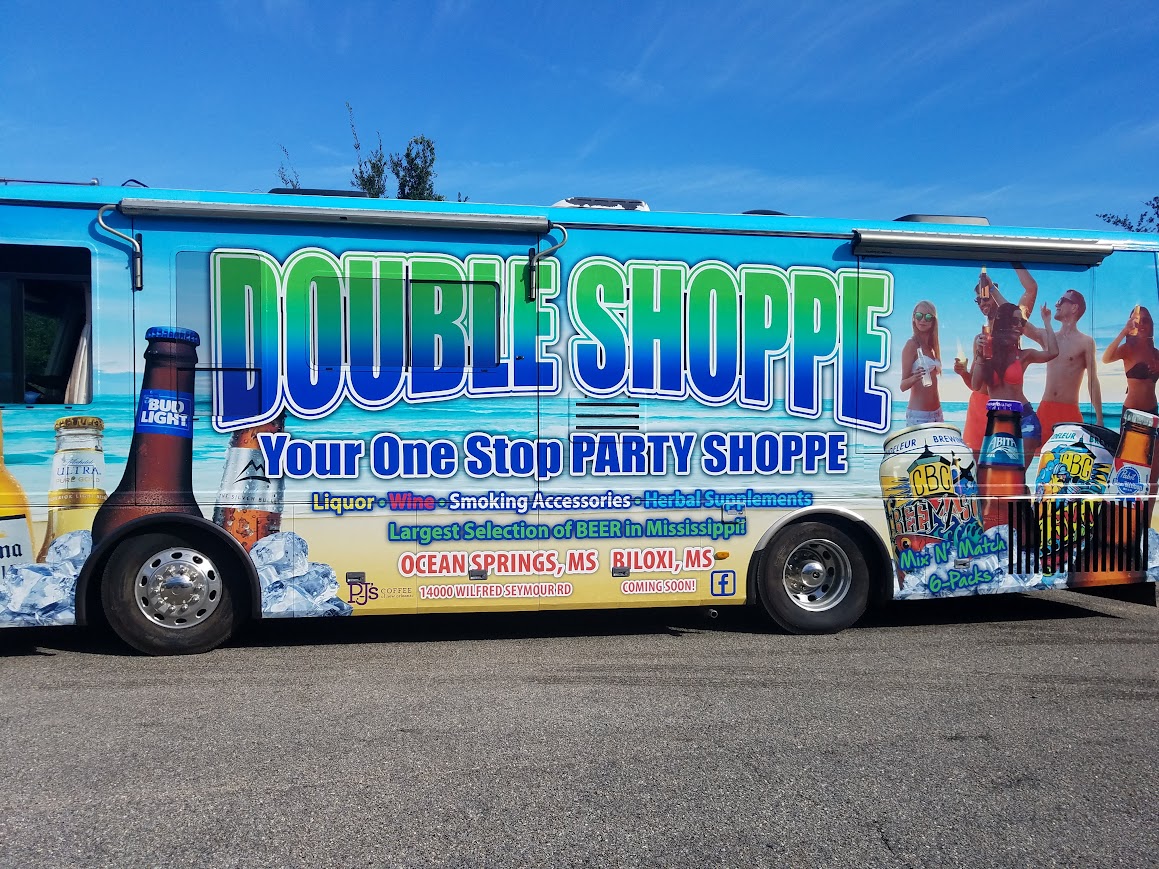
Full & Partial Wraps — broad printed coverage, from a complete branded vehicle to graphics that intentionally use the existing paint color.
Lettering & Identification — cut vinyl lettering, logos, contact information and DOT or required identification where supplied and applicable.
Fleet & Replacement Graphics — consistent graphics across multiple vehicles, plus replacement panels and updates as fleets change.
Reflective & Specialty Graphics — reflective graphics and other specialty applications selected for the specific vehicle and use.
Designing for the vehicle
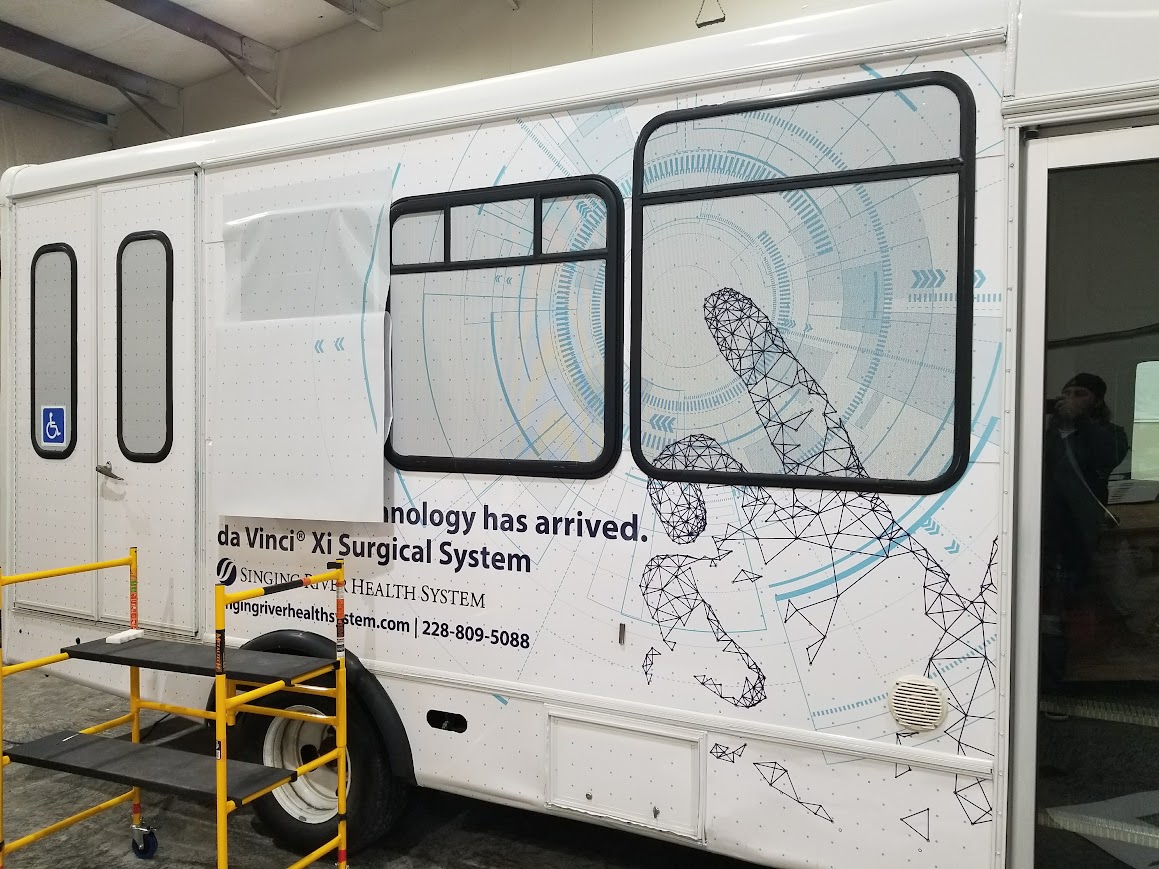
Vehicle graphics have to work on the vehicle, not just on a screen. Doors, windows, handles, body lines, wheel openings, panel gaps and compound curves can all change where important information belongs.
Vehicle geometry — logos, phone numbers and messaging should not land where hardware, panel breaks or severe curves make them difficult to read.
Viewing distance — a service truck moving through traffic needs a different information hierarchy than a vehicle customers walk up to in a parking lot.
Brand hierarchy — the company identity should be recognizable before secondary information is added. More information does not automatically make a better vehicle graphic.
Real-scale artwork — templates are useful for planning, but final production requires attention to the actual vehicle, measurements and installation areas.
Fleet consistency — when multiple vehicle types are involved, the visual system stays consistent while adapting to different body styles.
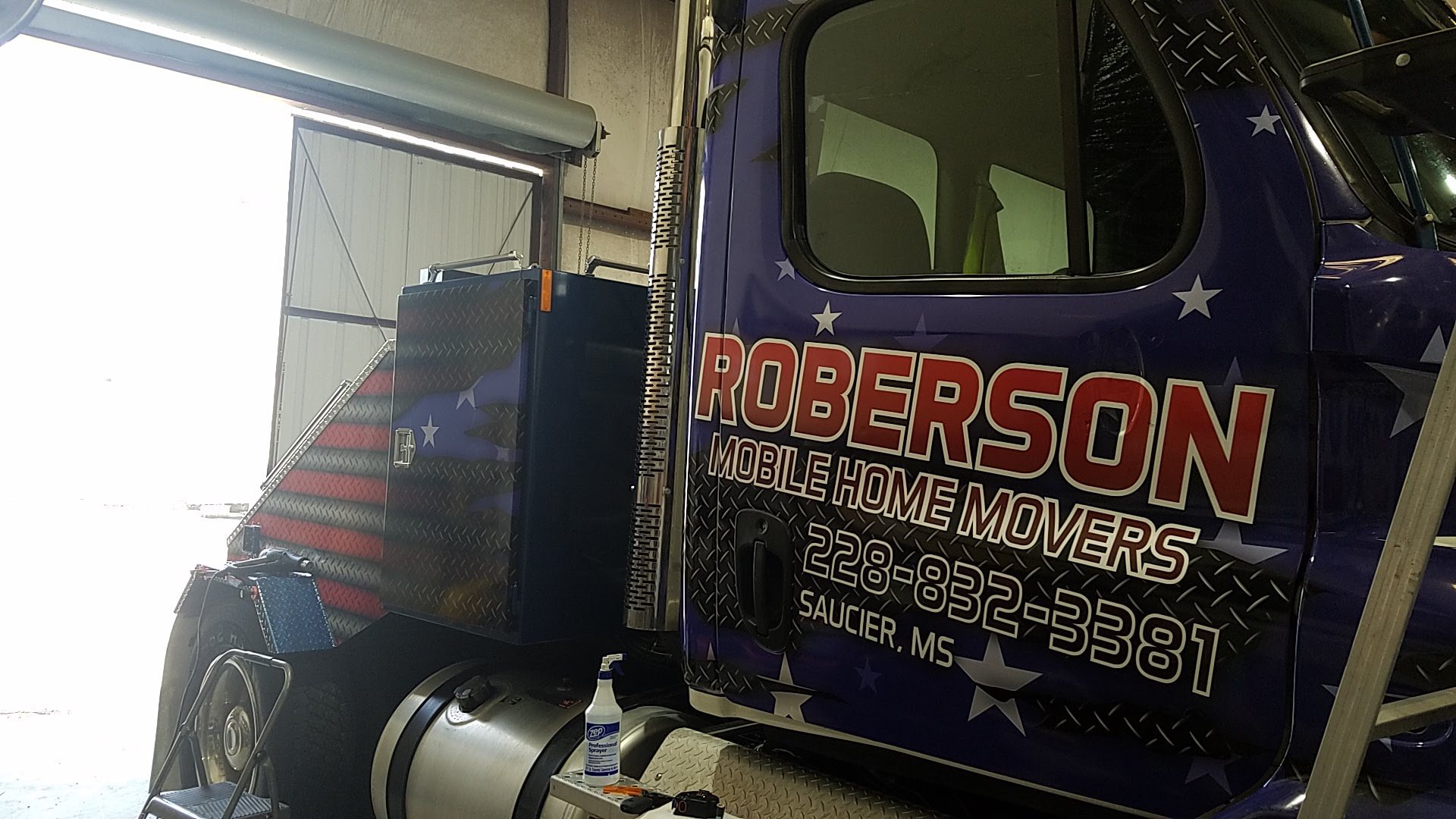
Full wraps, partial wraps, and lettering
Full coverage is not automatically the best answer. Coverage depends on the vehicle's paint color, usable graphic area, body lines, condition, message, budget and future replacement needs.
Full wrap
Provides the largest printable area and can substantially change the visual appearance of the vehicle. Useful when the design depends on broad coverage or when the vehicle itself needs to become a major branded surface.
Partial wrap
Uses strategically placed printed graphics while allowing the original vehicle color to remain part of the design. A good partial wrap should look intentional — not simply like a full wrap with pieces missing.
Lettering & spot graphics
Often the right answer when clear identification is more important than large-format imagery. Logos, contact information, regulatory identification and simple brand elements can produce a clean commercial vehicle without wrapping the entire body.
The vehicle under the vinyl matters
Vinyl follows the surface it is installed over. It does not repair paint, hide failing clear coat or correct bodywork. Before production or installation, relevant areas may need to be evaluated for:
Failing or peeling paint
Clear-coat failure
Oxidation
Rust
Body damage
Fresh paint or bodywork
Waxes, coatings and contamination
Existing vinyl or adhesive
Textured or unpainted plastics
Aftermarket body components
A wrap can visually change a vehicle, but it does not restore the substrate underneath it. Condition and compatibility are evaluated for the actual project rather than assumed from the vehicle type.
Material is selected for the application
PCB Wraps does not use one film for every vehicle or every graphics project. Coverage, surface geometry, substrate, finish, exposure, expected use and installation requirements all affect material selection.
Arlon is our preferred first-choice line for many printed vehicle wrap applications. We also work with Avery Dennison, 3M, KPMF, HEXIS, VViViD and specialty products where the application calls for something different.
Depending on the project, material may include conformable wrap films for compound curves, higher-tack adhesive systems for difficult surfaces, reflective materials, specialty finishes, or films selected around specific replacement and removal cycles.
Design, production and installation
PCB Wraps handles the work between an idea and a finished installation — project planning, production artwork, printing, lamination, cutting, vehicle preparation and installation. The exact process depends on the project.
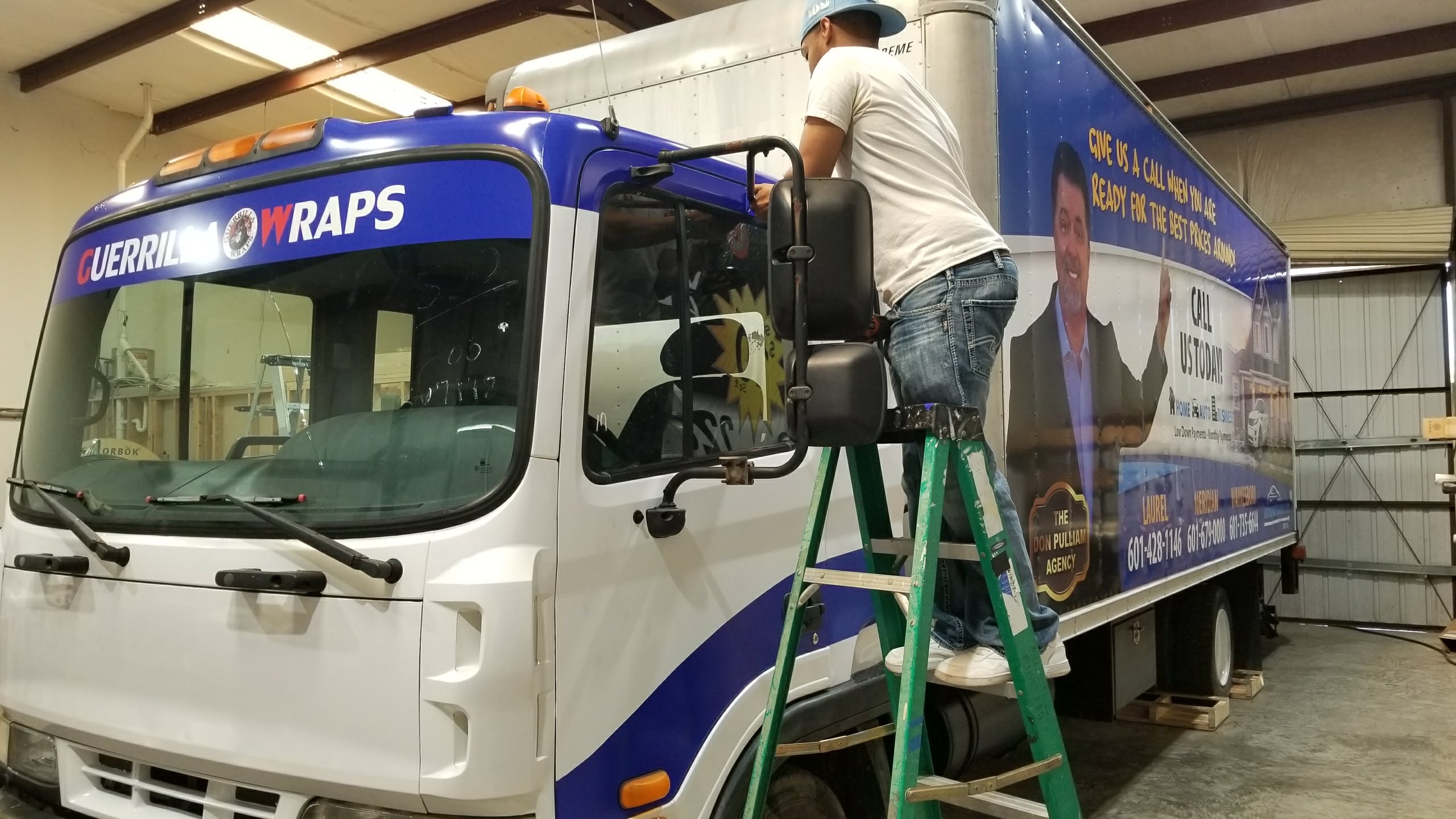
Project & design
Vehicle information, measurements, existing branding, project goals and coverage are established, and an approved design and layout are confirmed before final production artwork is prepared for the actual vehicle.
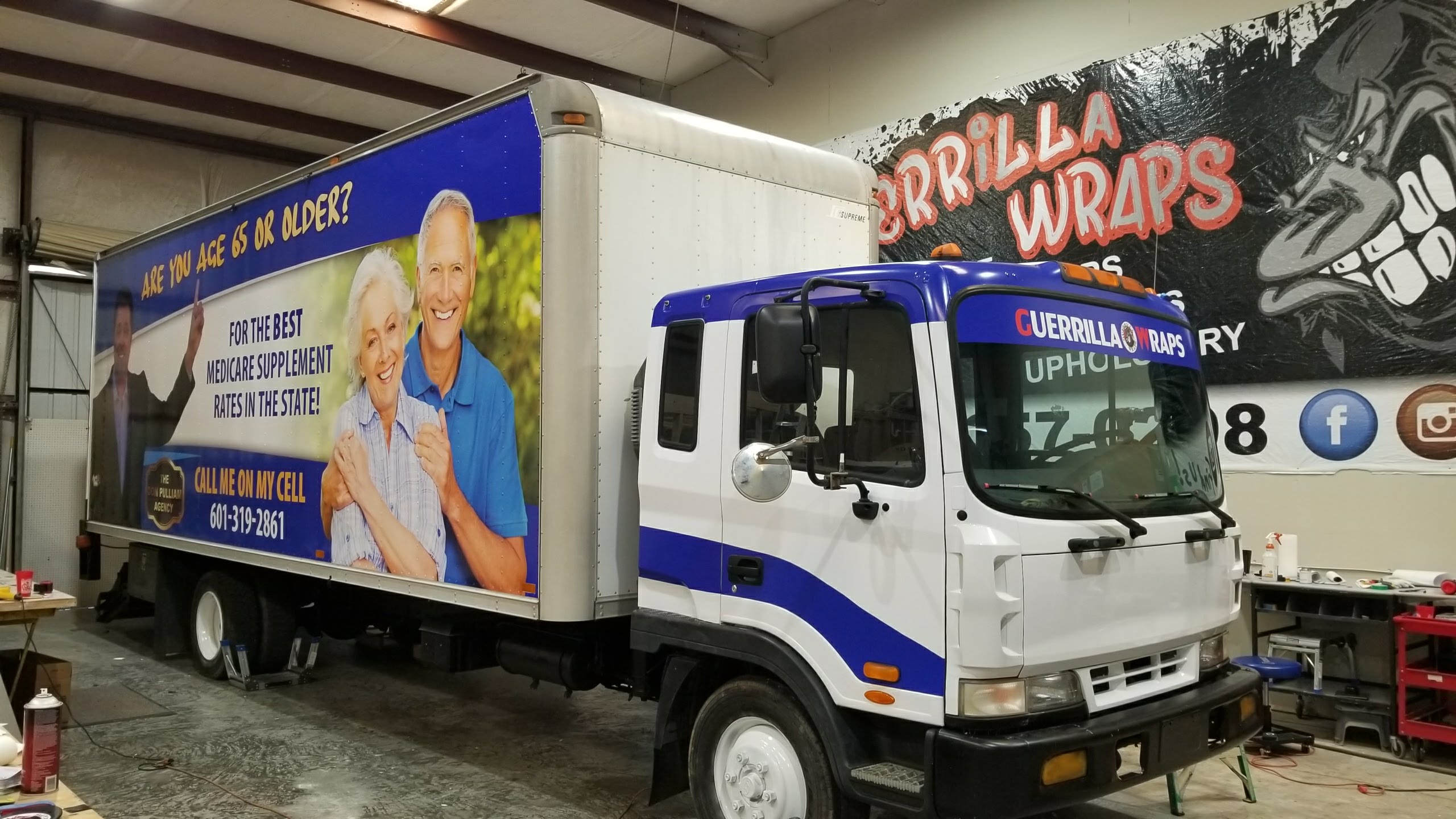
Production
Approved artwork is prepared at production scale, printed on the material selected for the application and finished as required — lamination, contour cutting, weeding, masking, trimming and panel preparation.
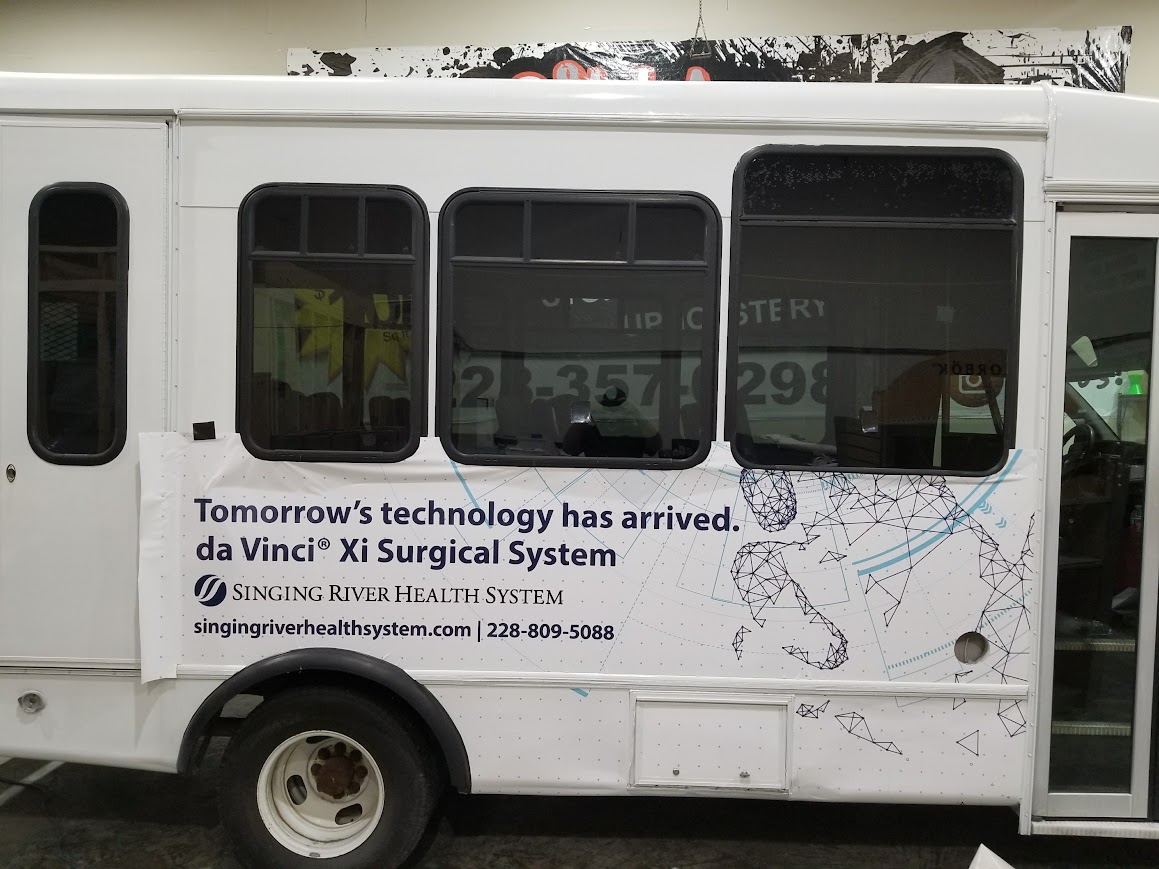
Vehicle preparation
Installation begins before vinyl touches the vehicle. Areas receiving graphics need to be clean and suitable for adhesion. Hardware, existing graphics, contamination and vehicle condition can affect preparation.
Installation
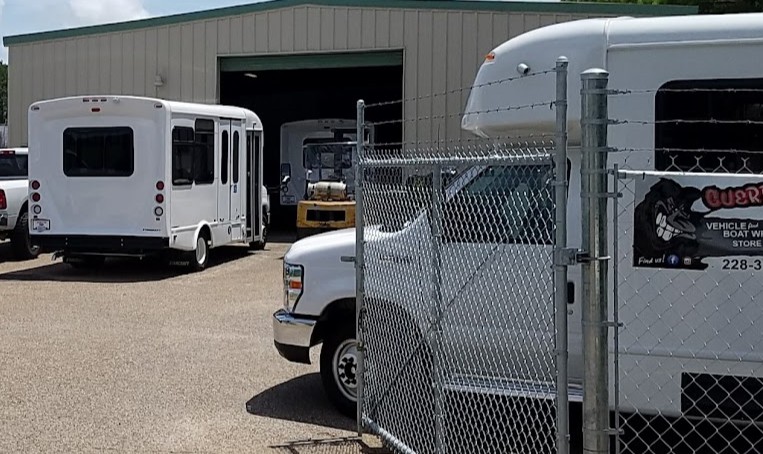
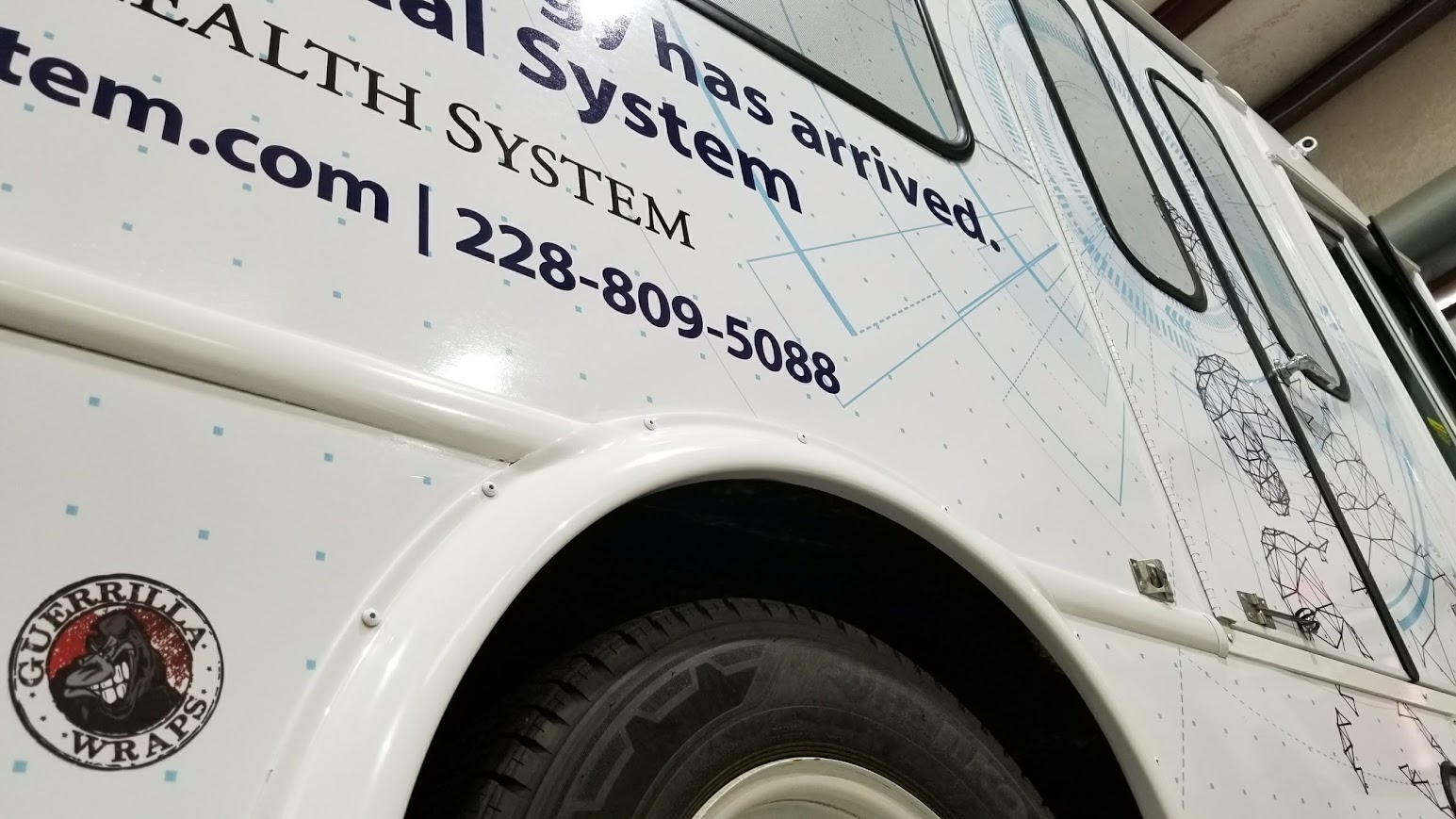
Graphics are positioned around the actual body. Alignment, panel layout, seams, edges, recesses, hardware and compound geometry affect how the finished installation is executed.
Commercial vehicles we graphic
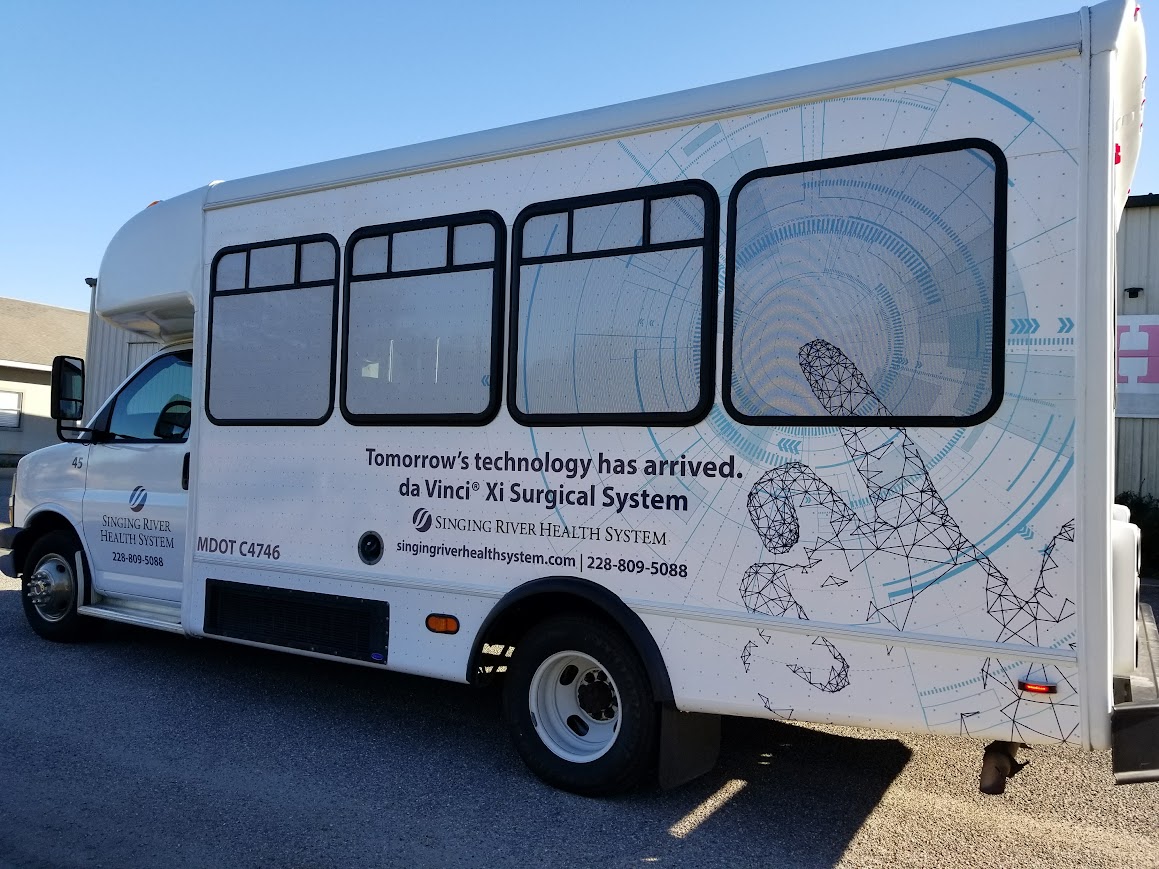
Different types of commercial vehicles bring different graphic and design considerations — body shape, glass area, panel breaks and how the vehicle is actually seen all change the approach.
Trailers & Fleet Vehicles
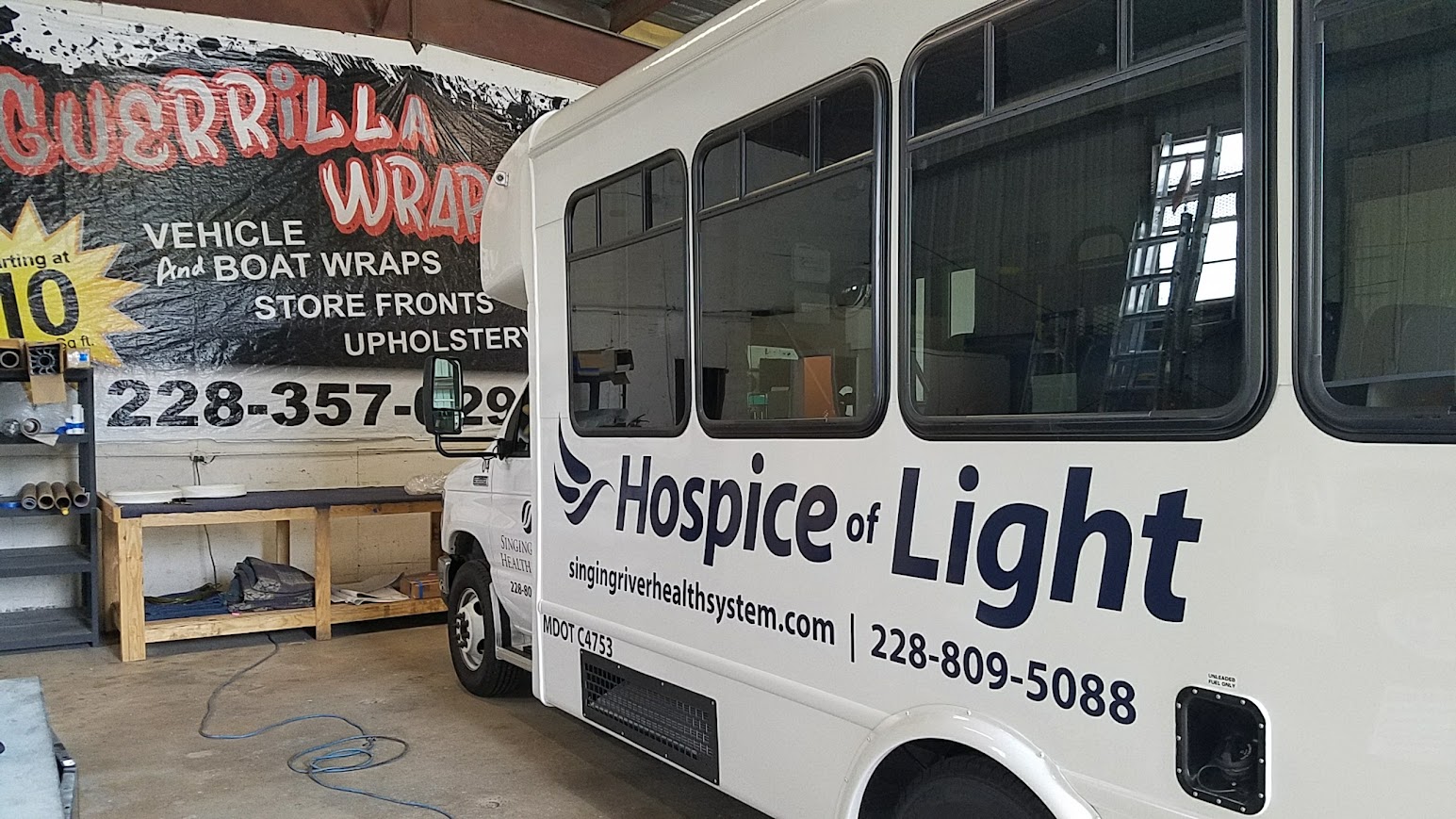
Vans & Company Vehicles
Often a company's most visible daily brand impression, with body lines and window placement that affect where graphics can go.
Multiple vehicles change the job
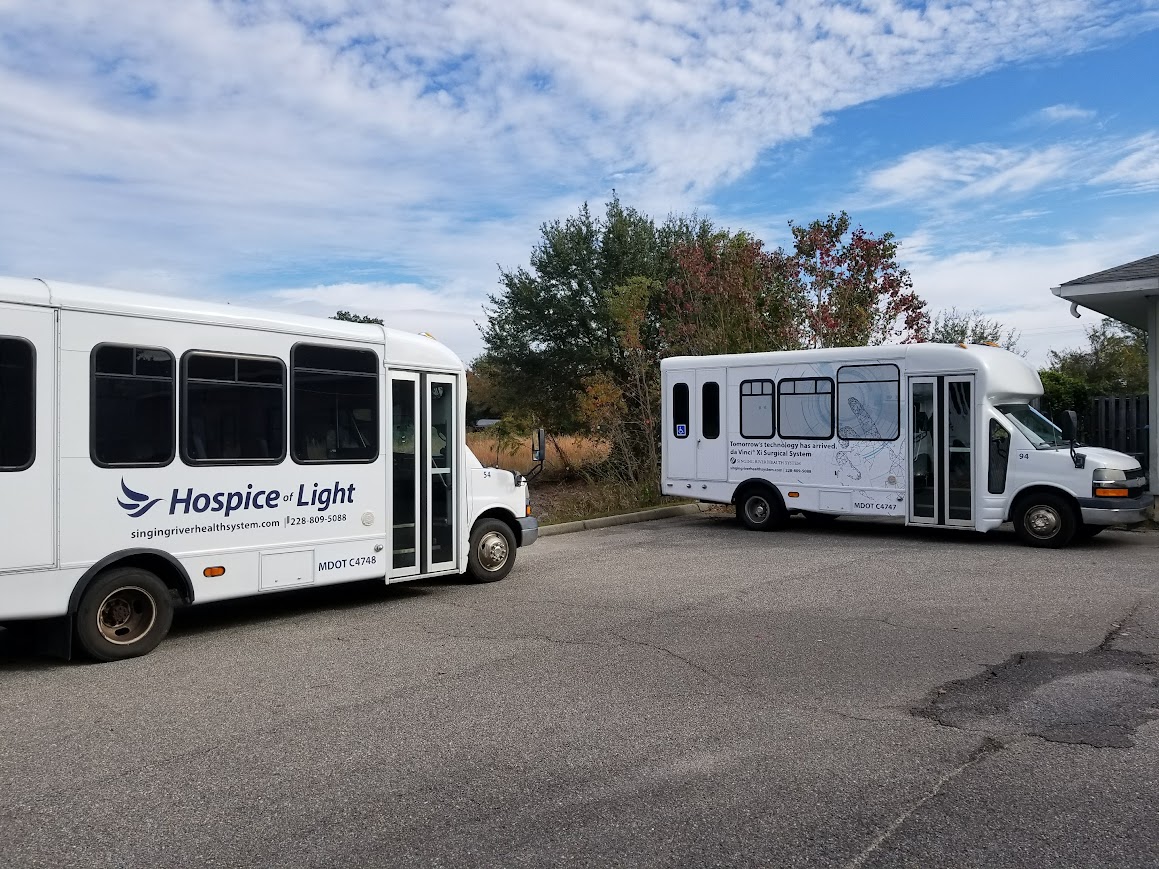
Fleet graphics introduce another layer of planning. Different makes, models and body configurations may need different layouts while still presenting the same brand consistently. Replacement panels, future vehicle additions, graphic records and repeat production can become as important as the original design.
What we need to start a vehicle graphics project
Not everything has to be figured out before contacting us. This information simply helps us determine the appropriate scope, design approach, material and next step.
Vehicle & project details
Year, make, model, configuration and clear vehicle photos.
Coverage & branding
Approximate coverage desired, logo or brand artwork, and required wording or identification.
References & fleet size
Examples or references if available, and fleet quantity if more than one vehicle is involved.
Condition & timeframe
Known paint or bodywork concerns, and your desired timeframe.
FAQs
Straight answers about commercial vehicle graphics.
A full wrap covers most of the vehicle. A partial wrap works with the existing paint color. The right choice depends on your branding, the vehicle, and your budget.
Yes. We work from your logo, brand files, existing marketing or a general direction — finished artwork is not required to begin. Whatever you have helps; if you have nothing, we can build the design from scratch.
Send what you have. Logos, brand colors, and any existing files help. If you have nothing, we can build the design from scratch.
Yes, when removal is appropriate for the project. Age, film type, exposure, adhesive residue, and the condition of the paint underneath can all affect the time and risk involved.
Can you wrap over existing graphics?
Sometimes, depending on the condition and type of the existing graphics. In many cases removing old graphics first gives a better result. We review the vehicle before recommending either approach.
Can bumpers and plastic trim be wrapped?
Painted bumpers and trim are often suitable for wrapping. Textured or low-surface-energy plastics may need a different material or process, and in some cases may not be a good fit for wrapping at all. We evaluate each surface as part of the project.
How should the vehicle arrive for installation?
Reasonably clean, without fresh wax, dressings or coatings on areas to be wrapped, and accessible for the installer. If racks, accessories or existing graphics need to be removed before installation, let us know ahead of time.
Can you match graphics across different vehicle models?
Yes. The visual system — colors, logo placement, brand elements — stays consistent, while the specific layout adapts to each vehicle's body style, so a van and a pickup in the same fleet still read as one brand.
Can you replace damaged fleet graphics?
Yes. A single damaged panel can typically be reproduced and replaced without redoing the whole vehicle, which is one reason keeping records of the original artwork and material is worth doing for fleets.
Still have questions?
Tell us about your vehicle and branding project.
Start a commercial vehicle graphics project
Vehicle information, photos, your branding and the coverage you're considering help PCB Wraps evaluate the project and determine the right next step.